
10 Tips for Taking Stellar Photos of Your Pets at Night
Why Pet Photography Under Stars Is Worth Every Late Night
Pet photography under stars is one of the most rewarding — and challenging — things you can do with a camera and your furry best friend.
Here’s a quick overview of how to do it:
- Find a dark location away from city lights
- Use a wide-aperture lens (f/1.8 or f/2.8) and a sturdy tripod
- Set your camera manually — high ISO (1600–3200), wide aperture, 15–25 second shutter speed
- Light your pet separately with a dim flashlight or brief flash
- Keep your pet calm with treats, familiar toys, and a trusted handler nearby
- Shoot during a new moon for the darkest, star-filled skies
- Blend exposures in post-processing for the best results
That’s the short version. Keep reading for a full breakdown of each step.
There’s something almost magical about a photo of a dog sitting quietly beneath a river of stars. The vastness of the Milky Way above, the familiar warmth of your pet below — it creates an emotional contrast that no studio portrait can match.
But getting that shot isn’t simple. Low light, long exposures, and an unpredictable animal make this one of the trickiest genres in photography.
The good news? You don’t need expensive gear or years of experience to pull it off. You just need the right approach — which is exactly what these 10 tips will give you.
Essential Gear for Pet Photography Under Stars
When we head out into the night, we aren’t just taking photos; we are embarking on a technical mission. To capture pet photography under stars, your gear needs to be capable of “seeing” in the dark while staying perfectly still.
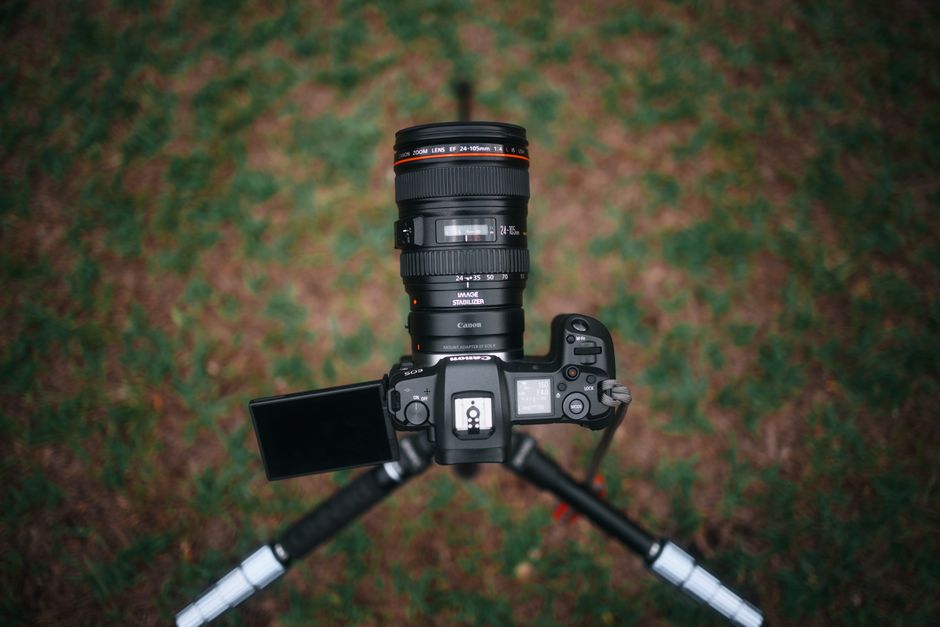
The Camera and Lens
First, you need a camera with manual controls. While modern smartphones are getting better (more on that later), a DSLR or mirrorless camera is the gold standard. You want a sensor that can handle high ISO settings without creating too much “noise” or graininess.
The lens is perhaps even more important than the camera body. We recommend a wide-angle lens (somewhere between 14mm and 35mm) with a “fast” aperture. Look for a lens that can open up to f/1.8 or f/2.8. This allows the maximum amount of starlight to hit your sensor during the exposure.
Stability is Key
Since we are dealing with exposure times that can last 15 to 30 seconds, any movement will ruin the shot. This is why you must invest in a quality support system. Check out our guide on affordable tripods for night sky photography to find a model that won’t wobble in the wind.
Advanced Tools: Star Trackers
If you want to take your pet photography under stars to the professional level, consider a star tracker like the Vixen Polarie. These devices sit between your tripod and camera, slowly rotating your gear to match the Earth’s rotation. This prevents stars from looking like blurry streaks (unless you want star trails!) and allows for incredibly deep, detailed nightscapes. You can learn more about these specialized tools in our gear essentials for mobile night photography guide.
Choosing a Safe Location for Pet Photography Under Stars
Scouting is the secret weapon of every great photographer. You can’t just pull over on the side of a busy highway and expect a masterpiece.
- Light Pollution: Use a “dark sky map” or consult the International Dark-Sky Association to find areas away from city glow. The darker the sky, the more the Milky Way will “pop” in your photos.
- Safety First: When it’s pitch black, a familiar hiking trail can become a maze. Visit your chosen spot during the day to check for holes, steep drops, or prickly plants that could hurt your pet.
- Wildlife Awareness: Depending on where you are, the night belongs to the local wildlife. Be aware of coyotes, owls, or even deer that might distract or spook your dog. For more on staying secure, read our night-sky-photography-safety-what-you-need-to-know article.
- Terrain: Look for flat ground where your tripod will be stable. For more tips on finding the perfect backdrop, see our location scouting tips for night sky photos.
Beginner-Friendly Pet Photography Under Stars at Home
Don’t feel like you have to trek into the wilderness for your first try. Your backyard is a fantastic “laboratory.”
- Practice the “Stay”: Use your backyard to train your pet to hold a position while you fiddle with camera settings.
- Smartphone Magic: If you aren’t ready for a DSLR, many modern phones have a “Night Mode.” While not as powerful as professional gear, you can get surprisingly good results if you mount your phone on a small tripod. Dive deeper with mobile-astrophotography-for-beginners and mastering-mobile-astrophotography-a-beginners-guide.
- Artificial Light: In a residential area, you’ll have to manage porch lights or street lamps. Use these to your advantage to gently illuminate your pet, or use a large piece of cardboard to block unwanted glare from hitting your lens.
Mastering Camera Settings and Lighting Techniques
Now for the technical “meat” of the session. In the dark, your camera’s “Auto” mode is useless. You must take total control.
The “Exposure Triangle” for Nightscapes
- Aperture: Set this as wide as it goes (the lowest f-number, like f/2.8).
- ISO: Start at 1600. If the image is too dark, go to 3200. Be careful; higher ISOs increase grain.
- Shutter Speed: This depends on your lens. A good starting point is 20 seconds. If the stars look like little lines instead of dots, shorten the time.
For a deeper dive into these mechanics, check out our night-sky-photography-a-complete-guide-for-beginners.
Lighting Your Pet
Here is the trick: if you leave your camera open for 20 seconds, your pet will move slightly, resulting in a blurry “ghost” dog. To fix this, we use a technique called twilight blending or “light painting.”
Instead of relying on the starlight to light the dog, we use a very dim LED light or a quick, low-power flash to illuminate the pet for just a fraction of a second. This “freezes” the pet in the frame while the camera continues to soak up the starlight for the rest of the 20 seconds.
Keeping Pets Cooperative and Safe in the Dark
No photo is worth stressing out your animal. Pet photography under stars requires a patient pet and an even more patient photographer.
Positive Reinforcement
Bring the “high-value” treats—the ones they only get on special occasions. Since the environment is dark and potentially spooky, you want your pet to associate the camera with “the best snacks ever.”
The “Stable” Subject
In the professional world, we look for a “stable” pet—one that can hold a sit or stay command reliably. If your pet is a “wriggle monster,” don’t worry! You can still get great shots by having a human hold them (and you can edit the human out later, or keep them in for a lovely “cuddle” shot).
Common Mistakes to Avoid
One of the biggest hurdles is the “blue dog” syndrome. In the dark, your camera’s white balance might get confused, turning a black or brown dog into a strange purple or blue shade. Always shoot in RAW format so you can fix the colors later. For more “what-not-to-dos,” read our guide on common-beginners-mistakes-in-astrophotography-and-how-to-avoid-them.
Safety and Comfort
- Leash Safety: Keep the leash on! You can easily remove it in post-processing. It’s better to have a leash in the photo than a lost pet in the woods.
- Temperature: Nights get cold fast. If your pet has a short coat, bring a jacket for them to wear between shots.
- Sound: The silence of the night can make camera clicks or rustling leaves sound loud and scary. Talk to your pet in a calm, soothing voice throughout the shoot.
Post-Processing for a Stellar Finish
The “wow” factor of pet photography under stars often happens at the computer. Raw files from the night often look flat and dark, but they contain a wealth of hidden detail.
Image Stacking and Compositing
Professional photographers often take two separate photos: one focused on the stars (perhaps a long 30-second exposure) and one focused on the pet (a shorter exposure with a flash). They then “stack” or composite these images in software like Adobe Photoshop. This ensures both the dog and the distant galaxies are sharp and perfectly exposed.
| Feature | Single Exposure | Stacked Composite |
|---|---|---|
| Pet Sharpness | Often blurry due to micro-movements | Extremely sharp |
| Star Detail | Good, but limited by shutter speed | Incredible detail and low noise |
| Difficulty | Easier to shoot | Requires editing skills |
| Realism | More “natural” look | Can look “epic” or “surreal” |
Enhancing the Celestial
You can use software to boost the contrast of the Milky Way, bring out the blues and oranges of the stars, and reduce the digital noise caused by high ISO settings. Our astronomy-photography-a-beginner-friendly-guide offers great tips on making your celestial elements shine.
Fixing “Blue Dogs”
As mentioned earlier, white balance is crucial. Adjust your “Temperature” and “Tint” sliders until the dog’s fur looks natural. If you were shooting under a deep blue sky, you might need to add a significant amount of “warmth” (yellow/orange) to the pet specifically.
Frequently Asked Questions about Pet Astrophotography
How do I keep my pet still for a 20-second exposure?
The secret is that you don’t actually need them to stay still for the full 20 seconds. If you use a flash or a quick burst of light at the beginning or end of the exposure, the camera “records” them in that instant. As long as they don’t move while the light is hitting them, they will appear sharp.
What are the best moon phases for starry pet portraits?
The “New Moon” phase is best for seeing the most stars. However, a “Crescent Moon” (about 15-25% brightness) can actually be helpful because it provides a gentle, natural light that illuminates your pet and the landscape without washing out the stars.
Do I need an expensive camera to start pet night photography?
Not at all! While high-end gear makes it easier, you can start with any camera that allows manual shutter speed control. Even many modern smartphones can capture the Milky Way if held perfectly still on a tripod.
Conclusion
At Pratos Delícia, we believe that our pets are more than just animals—they are the stars of our lives. Capturing them under the literal stars is a beautiful way to create a “heritage portrait” that celebrates the bond you share.
Whether you are using a professional star tracker or just your smartphone in the backyard, the goal is the same: to freeze a moment of wonder. It takes patience, a few extra treats, and perhaps a bit of coffee for the photographer, but the result is a piece of art you’ll treasure forever.
Ready to learn more? Explore our extensive guides on night photography to continue your journey into the dark!
