
Taking Pictures in Low Light Without Flash Like a Pro
Mastering Camera Settings for Low Light Photography Without Flash
To truly excel at low light photography without flash, we have to move away from “Auto” mode. In dark environments, your camera’s brain often panics, choosing a shutter speed that is too slow (causing blur) or a flash that ruins the mood. By switching to Manual mode, we take back control of the exposure triangle.
The exposure triangle is a balancing act between ISO, Aperture, and Shutter Speed. When light is scarce, we have to “open the taps” in different ways to let enough information reach the sensor. Understanding how these three interact is the first step toward mastering your camera settings for low light photography. If you want a quick technical refresher, an overview of the exposure triangle is also a helpful reference for understanding how these settings work together.

| Setting | Action in Low Light | Trade-off |
|---|---|---|
| Aperture | Open wide (Lower f-number like f/1.8) | Thinner depth of field (blurrier backgrounds) |
| Shutter Speed | Slower (e.g., 1/60s) | Risk of camera shake or subject motion blur |
| ISO | Increase (e.g., 3200) | Increased digital noise (grain) |
Balancing ISO and Noise in Low Light Photography Without Flash
ISO is often the setting photographers fear most, but in low light photography without flash, it is our best friend. ISO determines how sensitive your camera’s sensor is to light. While a low ISO (like 100) produces the cleanest images, it requires a lot of light. In a dim jazz club or a moonlit street, we must turn that sensitivity up.
Most modern cameras handle ISO 800 to 3200 with ease. High-end full-frame sensors can even push to 6400 or 12800 while maintaining professional quality. The “signal-to-noise ratio” is what matters here; if you underexpose an image at a low ISO and try to brighten it later, the noise will be much worse than if you had just used a higher ISO to begin with.
If you do end up with some “grain,” don’t panic. Modern software features like AI Denoise in Lightroom can work miracles, effectively giving you an extra 2-3 stops of usable light. A grainy sharp photo is almost always better than a clean blurry one!
Choosing the Right Shutter Speed and Aperture
When shooting handheld, we follow the “reciprocal rule.” This suggests your shutter speed should be at least 1 divided by your focal length. For example, if we are using a 50mm lens, we shouldn’t shoot slower than 1/50th of a second to avoid camera shake.
Aperture is equally vital. A “fast” lens with a wide-open aperture (like f/1.4 or f/1.8) lets in significantly more light than a standard kit lens starting at f/3.5. In fact, moving from f/3.5 to f/1.8 provides about four times as much light! This allows us to keep our shutter speed fast enough to freeze action, which is essential when we are trying to shoot events without flash.
However, be mindful of your depth of field. At f/1.8, the plane of focus is razor-thin. If you are shooting a portrait, ensure you lock focus perfectly on the eyes, or the tip of the nose might be sharp while the eyes are a blurry mess.
Essential Gear and Stabilization Techniques
While settings are the foundation, how we hold our gear determines if those settings actually result in a sharp photo. When we are practicing low light photography without flash, our bodies become the tripod.

If a tripod isn’t allowed at your venue, look for “natural” tripods. We often brace ourselves against stone walls, door frames, or even large tables. The “three-point contact” method is a classic: tuck your elbows tight against your ribs, press the camera against your forehead (using the viewfinder), and hold your breath as you gently roll your finger over the shutter.
Another pro tip is using “Burst Mode.” Often, the physical act of pressing the shutter button creates a tiny vibration. By taking a burst of 3-5 shots, the middle frames are usually the sharpest because the camera has settled down after the initial press.
Why You Should Always Shoot in RAW
If you are serious about low light photography without flash, you must stop shooting in JPEG. RAW files are “unbaked” data. While a JPEG might record 256 levels of brightness, a RAW file can record over 16,000.
This massive difference in bit depth gives us incredible “shadow recovery.” In a dark photo, the details are often hidden in the black areas. In a RAW file, we can often “pull” those details out during editing without the image falling apart. This exposure latitude is a lifesaver when the lighting is unpredictable. For those using phones, check out these long exposure tips for smartphone night photos to see how mobile RAW formats can help.
Focusing Accurately in Dim Conditions
Autofocus (AF) systems need light and contrast to work. In the dark, your lens might “hunt” back and forth, unable to lock on. To fix this:
- Use the Central AF Point: This is usually the most sensitive and accurate point on your sensor.
- Back-Button Focus: This separates the focusing trigger from the shutter button, preventing the camera from refocusing (and missing) right as you take the shot.
- Phone Light Assist: If it’s truly pitch black, have a friend briefly shine their phone light on the subject so you can lock focus, then switch to Manual Focus (MF) to keep it locked.
- Focus Peaking: If your camera has it, this highlights the sharpest areas in bright colors on your screen, making manual focusing a breeze.
Creative Strategies for Low Light Photography Without Flash
Once the technical hurdles are cleared, we get to the fun part: the art. Low light isn’t a limitation; it’s a mood. Instead of trying to make the night look like day, embrace the shadows.
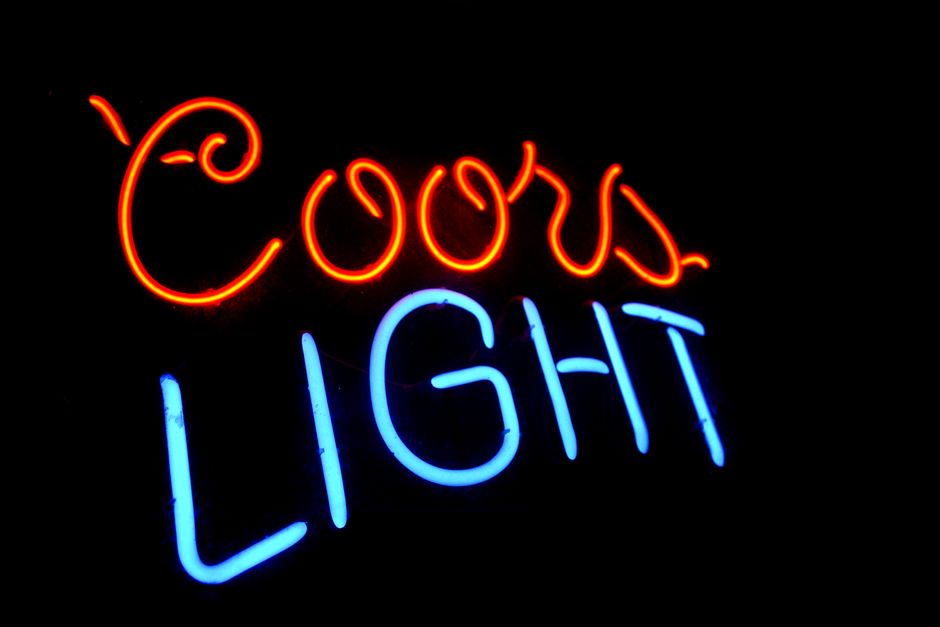
Ambient light sources are your best friends. Neon signs, street lamps, and even the glow from a refrigerator can create cinematic lighting. We love using “rim lighting,” where the light source is behind the subject, creating a glowing outline that separates them from the dark background.
If you’re feeling adventurous, you can even try night sky photography: a complete guide for beginners to see how long exposures can turn the stars into art.
Using Available Light Sources Effectively
When we enter a dim room, the first thing we do is look for the brightest light source. Is there a window? A decorative lamp? A neon bar sign?
Position your subject so the light hits their face at an angle. This creates “catchlights” in the eyes, which brings life to a portrait. If the light is directly behind them, you can create a striking silhouette, which is a fantastic way to handle low light photography without flash when the background is more interesting than the subject’s features.
Creative Low Light Photography Without Flash for Portraits
Portraits in the dark should feel intimate. Candlelight is one of the most beautiful (and challenging) light sources. It provides a warm, orange glow that is incredibly flattering but very dim. In these cases, we lean into the “shadow play.” You don’t need to see every detail of a person’s outfit; sometimes, just the curve of a cheekbone or the light in an eye tells a better story.
Environmental storytelling is also key. Use the bokeh (the blurry orbs of light in the background) created by city lights to add a sense of place and depth to your images.
Post-Processing and Rescuing Dark Images
The work doesn’t end when the shutter clicks. In low light photography without flash, the “digital darkroom” is where the magic happens.
Using software like Adobe Lightroom, we focus on three main areas:
- Exposure and Shadows: Gently lifting the shadows to reveal hidden details.
- Noise Reduction: Using the “Luminance” slider (usually set between 20-40) to smooth out grain, and the “Color” slider to remove those pesky purple and green dots.
- White Balance: Low light often comes from “warm” sources like tungsten bulbs. Adjusting the temperature can fix unnatural yellow or orange skin tones.
If an image is still too noisy or the colors are messy, try a black and white conversion. B&W hides color noise and turns digital grain into something that looks like classic film. For mobile users, learning about capture the night: long exposure smartphone photography can help you understand how to process these files on the go.
Frequently Asked Questions about Low Light Photography
How high can I push my ISO before the image is ruined?
This depends heavily on your camera’s sensor size. Full-frame cameras can often go to ISO 6400 or higher without breaking a sweat. APS-C and Micro Four Thirds sensors might start showing “ugly” noise around ISO 3200. However, “ruined” is subjective. In photojournalism, a grainy photo is better than no photo at all. If the grain is consistent, it can even add a “vintage” aesthetic.
Can I take professional low light photos with a smartphone?
Yes, but with caveats. Modern smartphones use “Night Mode,” which is actually a series of many short exposures stacked together by AI. This works brilliantly for static landscapes. However, smartphones still struggle with moving subjects in the dark because their sensors are tiny. To get the most out of your phone, consider using top mobile camera apps for long exposure shots to gain manual control over your shutter speed.
What is the best lens for shooting events without flash?
We always recommend a “fast prime.” A 35mm f/1.8 or a 50mm f/1.8 is the “gold standard” for low light photography without flash. They are affordable, lightweight, and let in a massive amount of light. If you prefer zooms, look for a 24-70mm f/2.8, which offers a “constant aperture,” meaning it doesn’t get darker as you zoom in.
Conclusion
Mastering low light photography without flash is a journey of practice and patience. It forces us to understand our gear on a deeper level and to see light where others only see darkness. By balancing the exposure triangle, stabilizing our gear, and embracing the creative potential of shadows, we can capture the world in a way that feels authentic and atmospheric.
At Pratos Delícia, we believe every challenge is an opportunity for creative growth. So, grab your camera, turn off that flash, and go find the light!
For more tips on capturing the world around you, explore more photography guides on our site.
