
Mastering Long Exposure and Why You Need This Definitive Guide
Why Mastering Long Exposure: The Definitive Guide for Photographers Belongs in Your Camera Bag
Mastering long exposure the definitive guide for photographers is exactly what you need if you want to turn moving water into silk, stretch clouds across the sky, or paint city streets with glowing light trails.
Here is a quick answer to what this guide covers:
- What it is: Long exposure photography uses shutter speeds slower than 1/60th of a second to blur motion while keeping still objects sharp
- Key gear: Tripod, remote shutter release, and ND filters (3-stop, 6-stop, or 10-stop)
- Core technique: Set low ISO (100), aperture f/8–f/11, meter without filter, then calculate new shutter speed after attaching ND filter
- Best effects: Silky waterfalls (1–5 seconds), cloud streaks (2–8 minutes), light trails (8–30 seconds), star trails (30+ minutes)
- Biggest mistakes to avoid: Camera shake, light leaks, auto-focus after filter, image stabilization left on
Long exposure is one of the most rewarding techniques in photography. But it can also feel overwhelming at first.
There are filters to choose, shutter speeds to calculate, and a dozen small mistakes that can ruin an otherwise perfect shot. Even experienced photographers have come back from a location with nothing but blurry, overexposed frames.
The good news? Once you understand a handful of core principles, the process becomes repeatable and predictable. Modern cameras, precise ND filters, and exposure calculator apps have removed most of the old guesswork.
This review breaks down everything you need to know — from basic definitions to step-by-step field technique — so you can start getting results on your very next outing.

What is Long Exposure Photography?
At its heart, long exposure photography is the art of capturing the passage of time in a single frame. While most photography aims to “freeze” a moment (like a bird in flight at 1/2000th of a second), long exposure does the opposite. It intentionally blurs moving subjects while keeping stationary elements—like rocks, buildings, or trees—tack sharp.
Technically, a long exposure typically begins at shutter speeds slower than 1/60th of a second. Why 1/60th? Because that is generally the limit where most humans can hold a camera steady without introducing “camera shake.” Once you go slower than this, a tripod becomes an absolute necessity.
In practice, many of the ethereal images you see in galleries use much longer times, ranging from 1 second to several minutes, or even hours for star trails. By keeping the shutter open, we allow the sensor to record the path of moving objects. Water becomes a misty fog, clouds turn into painterly streaks, and car headlights become rivers of neon light. To get these results, you’ll need to understand how to balance light, which we cover in our guide on Mastering Your Camera Settings for Low Light Photography.
Essential Gear for Mastering Long Exposure: The Definitive Guide for Photographers
If you want to move beyond “happy accidents” and achieve professional results, you need the right tools. You don’t need the most expensive gear on the market, but you do need equipment that is reliable and stable.
- A Sturdy Tripod: This is non-negotiable. Unless you are an alien with supernatural stillness, you cannot hold a camera for 30 seconds. Avoid cheap, flimsy plastic tripods; a gust of wind will ruin your shot. Look for something with a hook on the center column so you can hang your camera bag for extra weight and stability.
- Remote Shutter Release: Even the act of pressing the shutter button can cause a tiny vibration. A remote (wired or wireless) allows you to trigger the shot without touching the camera. If you don’t have one, use your camera’s built-in 2-second timer.
- Manual Controls: You need a camera that allows you to control ISO, Aperture, and Shutter Speed manually. Most DSLRs, mirrorless cameras, and even modern smartphones have this capability.
- Wide-Angle Lens: While you can use any lens, wide-angle lenses (16mm to 35mm) are favorites for landscapes and architecture because they emphasize the scale of the sky and foreground.
For those shooting on the go, check out our Gear Essentials for Mobile Night Photography to see how portable setups can still deliver high-quality results.
Choosing the Right ND Filter Strength
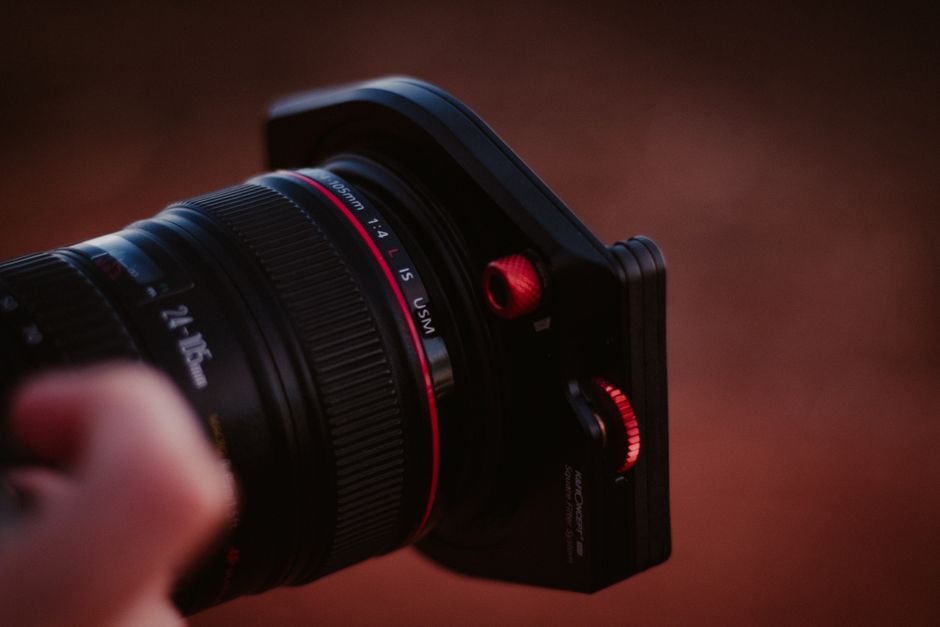
Neutral Density (ND) filters are essentially sunglasses for your lens. They reduce the amount of light entering the camera without changing the color of the scene. This allows you to use very slow shutter speeds even in the middle of a bright day.
| Filter Name | Stops | Optical Density | Shutter Speed Multiplier | Best Use Case |
|---|---|---|---|---|
| ND8 | 3-Stop | 0.9 | 8x | Waterfalls in shade/Golden Hour |
| ND64 | 6-Stop | 1.8 | 64x | Blue Hour or very bright waterfalls |
| ND1000 | 10-Stop | 3.0 | 1000x | Bright daylight for cloud streaks |
| ND32000 | 15-Stop | 4.5 | 32000x | Extreme exposures (10-30 minutes) |
A 3-stop filter is great for adding just a little blur to a waterfall. A 6-stop filter is the “sweet spot” for golden hour. However, the 10-stop filter (often called a “Big Stopper”) is the favorite for daytime long exposure. It multiplies your shutter speed by 1000. For example, if your base exposure is 1/60th of a second, adding a 10-stop filter pushes that exposure to roughly 17 seconds!
Mastering Long Exposure: The Definitive Guide for Photographers and Their Mobile Tools
You don’t always need a heavy DSLR to practice this art. Modern smartphones are becoming incredibly capable. By using Top Mobile Camera Apps for Long Exposure Shots, you can unlock manual ISO and shutter speeds on your iPhone or Android.
Apps like Slow Shutter Cam or the “Live Photo” loop feature on iPhones simulate long exposures by stacking multiple images. While it’s not exactly the same as a single long exposure on a full-frame sensor, it’s a fantastic way to learn the ropes. For more tips on using your phone, see our guide on how to Capture the Night: Long Exposure Smartphone Photography.
Step-by-Step Field Guide to Perfect Exposures
Capturing a long exposure is a deliberate process. You can’t just “run and gun.” Follow this workflow to ensure you don’t miss the shot:
- Compose Your Shot: Set your tripod up and find a composition that has both stationary elements (rocks, a bridge) and moving elements (water, clouds).
- Lock Focus: Use Auto-focus to get your shot sharp, then switch the lens to Manual (M). If you leave it on Auto, the camera will struggle to find focus once you put the dark ND filter on.
- Take a Test Shot: Without any filters attached, take a photo in Aperture Priority mode. Check your histogram to ensure you aren’t blowing out the highlights. Note the shutter speed the camera chose (e.g., 1/100s).
- Attach the Filter: Carefully slide or screw on your ND filter. Be gentle; you don’t want to move the camera or change the focus.
- Calculate and Shoot: Use the multiplier for your filter to find the new shutter speed. Switch your camera to Manual Mode or Bulb Mode (for exposures over 30 seconds) and take the shot.
Calculating Shutter Speed for Mastering Long Exposure: The Definitive Guide for Photographers
Calculating the new shutter speed is where many people get stuck. You can do the math manually (1/100s x 1000 = 10 seconds), but most of us prefer using an app.
Apps like PhotoPills or specialized ND calculators allow you to input your “base” shutter speed and your filter strength to get the exact time. As the sun goes down, the light changes rapidly. You may need to revisit Adjusting ISO and Exposure in Editing for Clearer Night Sky Images if your initial calculations result in an underexposed image.
Creative Applications and Subject Timing
The length of your exposure drastically changes the “mood” of the photo:
- 0.5 to 2 Seconds: Perfect for moving water where you still want to see some texture and “white water” detail.
- 10 to 30 Seconds: Ideal for urban light trails. This is long enough to capture several cars passing through the frame.
- 2 to 5 Minutes: This is the “magic zone” for clouds. It turns them into long, painterly streaks that give a sense of motion to the sky.
- 5+ Minutes: This creates a surreal, minimalist look. Crowds of people will disappear (becoming “ghosts”), and the ocean will look like a flat sheet of ice.
During the colder months, these techniques can be used to Capture Frozen Beauty with Winter Long Exposures, where the contrast between dark water and white snow creates stunning minimalist compositions.
Overcoming Common Long Exposure Challenges
Even with the best gear, things can go wrong. Here are the most common hurdles and how to jump over them:
- Light Leaks: If you are using square filters, light can sometimes seep in through the gaps in the holder. This often results in purple or magenta streaks across your image. The fix? Use a gasketed filter holder or simply wrap a black cloth or “gaffer tape” around the filter edges.
- Sensor Noise: Long exposures generate heat on the digital sensor, which creates “hot pixels” or grain. Most cameras have a “Long Exposure Noise Reduction” (LENR) setting. It takes a second “dark frame” to subtract the noise. Note: This doubles your wait time (a 5-minute exposure will take 10 minutes to process).
- Camera Shake: Even on a tripod, wind can be an enemy. If it’s windy, don’t extend the thinest leg sections of your tripod, and keep the center column down.
- The Viewfinder Leak: On DSLRs, light can enter through the optical viewfinder during a long exposure and ruin the sensor’s reading. Most straps come with a little plastic cover for this, or you can just use a piece of dark tape.
For digital noise issues, many photographers prefer to handle it in post-production using specialized software. We’ve detailed some of the best methods in our article on Eradicating Noise from Night Photos Using Apps.
Frequently Asked Questions about Long Exposure
Do I need ND filters for long exposure at night?
Usually, no. Because it is naturally dark, you can often achieve shutter speeds of 10, 20, or 30 seconds just by using a low ISO and a narrow aperture. ND filters are primarily used when there is too much light to get the slow shutter speed you want. For more on this, dive into our Night Sky Photography: A Beginner’s Guide.
What is the best shutter speed for silky water effects?
It depends on how fast the water is moving! For a powerful waterfall, 1 second might be plenty to get that silky look. For a slow-moving river, you might need 5 to 10 seconds. If you go too long (like 30 seconds), the water can lose all its shape and just look like a flat white blob. Experiment to find the balance between blur and texture.
Why are my long exposure images blurry even on a tripod?
The most common culprit is Image Stabilization (IS) or Vibration Reduction (VR). When your camera is on a stable tripod, the stabilization system can actually “hunt” for movement that isn’t there, creating a tiny internal vibration that blurs the shot. Always turn IS/VR OFF when using a tripod. Other causes include wind, a loose tripod head, or not using a remote release. Check out Common Beginners Mistakes in Astrophotography and How to Avoid Them for more troubleshooting tips.
Conclusion
Mastering long exposure is more than just a technical skill; it is a way of seeing the world differently. It teaches us patience and encourages us to look at the landscape not as a static image, but as a moving, breathing entity.
At Pratos Delícia, we believe that every photographer has the potential to create gallery-worthy art with the right guidance. Whether you are standing on a rocky coastline at dawn or on a busy city overpass at midnight, the principles of mastering long exposure the definitive guide for photographers will help you capture the magic that the naked eye simply cannot see.
Ready to take your skills further? Explore our full range of photography guides and start your journey toward photographic mastery today. Happy shooting!
